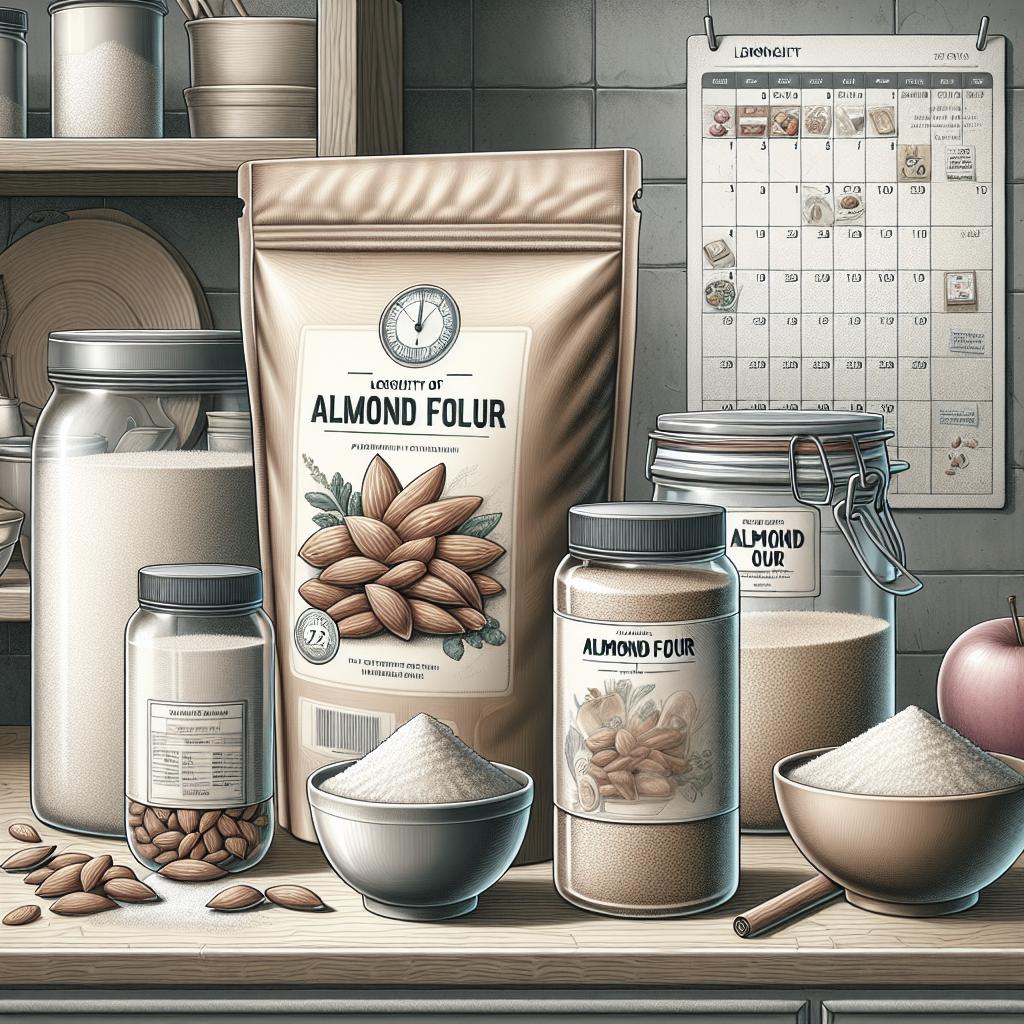
How Long Does Almond Flour Last?
Almond flour has become increasingly popular as a versatile, gluten-free alternative to traditional wheat flour.
However, like all ingredients, it comes with its own shelf-life concerns. This article explores crucial questions
like, ‘Does almond flour go bad?’ and ‘Can expired almond flour still be used?’ We’ll provide clear answers and
guidance on maximizing the lifespan of your almond flour. We’ll even throw in a few gluten-free resources to help
you innovate in the kitchen, including recipes for an Instant Pot Turkey Chili and No-Bake Monster Balls. Whether
you are gluten-intolerant, keen on healthy baking, or simply curious about almond flour, knowing its longevity
will ensure your dishes are both safe and delicious.
Does Almond Flour Go Bad? 4 Signs
Almond flour, being a product made from nuts, is perishable. Unlike refined wheat flour, almond flour can go bad
if not stored properly. First, you should check its smell. If the almond flour smells musty or sour, it is a
clear indication that it has spoiled. Secondly, any discoloration or clumping in the flour indicates that
moisture may have seeped in, compromising its quality.
Another sign of spoiling is an off-putting taste. Almond flour should have a slightly sweet, nutty flavor.
Tasting a tiny amount can usually help determine if it’s still good. Lastly, check for any bugs or insects.
Infestation is a possible yet uncommon issue, and any small signs of this indicate that it’s time to dispose
of the package. If any of these signs are present, it’s best to err on the side of caution and not use the
flour.
Can Almond Flour Go Bad?
Yes, almond flour can definitely go bad due to its high oil content. Almond flour behaves like any other
nut-based product and can become rancid over time, especially if stored incorrectly. This is because the
oils in the almonds can start to oxidize when exposed to air and heat, leading to spoilage.
To prevent your almond flour from going bad too quickly, always store it in a cool, dark place. The pantry
may be sufficient for short-term storage, but refrigeration or freezing is recommended for long-term
preservation. Airtight containers can help protect the flour from both moisture and air, further extending
its shelf life.
Is It OK to Use Expired Almond Flour?
Many might wonder if it’s safe to use almond flour past its expiration date. Technically, ‘expiration’ or
‘best by’ dates are more guidelines than strict rules. If the flour has been stored properly and shows no
signs of spoilage such as rancid smell or altered texture, it might still be safe to use even after the
expiration date.
However, using expired almond flour comes with risks. The nutritional value might have diminished, and there
could be a compromised quality in taste or texture in your dishes. It’s always prudent to do a quality check
if you decide to use expired flour, keeping in mind the signs outlined in the previous sections.
How Long Does Almond Flour Last After Expiration Date?
Almond flour generally has a shelf life of about 6-8 months when stored in its original packaging at room
temperature. If kept in the refrigerator, it may last longer, up to 12 months. Once frozen, almond flour
can last indefinitely, although quality may be diminished over extended periods.
After the expiration date, if all storage guidelines have been perfectly followed, almond flour may still
be good for up to a few weeks or even a couple of months. Conduct a thorough quality check for any signs
of spoilage before using it in your favorite recipes. When in doubt, discarding it could be the safest
option.
Gluten Free Resources
Exploring gluten-free cooking and baking can be an exciting journey, and almond flour is a key ingredient
in this culinary adventure. Below are some recipe ideas that incorporate almond flour and other gluten-free
alternatives. These recipes ensure that you maintain variety while avoiding gluten.
Instant Pot Turkey Chili
Experience a comforting dish with this Instant Pot Turkey Chili. Made with fresh vegetables, ground turkey,
and a blend of spices, this recipe utilizes almond flour as a thickener, offering a robust flavor while
remaining gluten-free.
Dairy Free Shrimp Bisque
For a rich and creamy soup that’s surprisingly dairy-free, this Shrimp Bisque is supplemented with almond
flour, providing a nutty undertone. The almond flour helps to maintain the bisque’s creamy texture without
the need for dairy.
Cassava Flour Banana Muffins
While not using almond flour directly, these Cassava Flour Banana Muffins are a delicious, gluten-free treat.
They make for a great breakfast option or a delightful snack that’s easy to prepare and satisfying to eat.
Pinchos de Pollo
Spain-inspired, these Pinchos de Pollo skewers are a flavorful addition to any meal. While traditionally
not requiring flour, almond flour can be added to the seasoning for an extra layer of flavor and a slight
crunch to the finish.
Unlock Endless Salad Ideas With This Genius Mix & Match Cheat Sheet
Discover a world of salad creations using this mix & match cheat sheet that includes almond flour as a
topping or as part of a unique gluten-free crouton recipe. Elevate your salads with rich textures and
flavors by creatively incorporating almond flour.
No Bake Monster Balls
For a quick treat that satisfies sweet cravings, prepare No-Bake Monster Balls. Almond flour combines with
peanut butter, oats, and chocolate chips to create a wholesome snack that’s both healthy and indulgent.
Next Steps
| Topic | Key Points |
|---|---|
| Does Almond Flour Go Bad? 4 Signs | Smell, discoloration, taste, and bugs indicate spoilage. |
| Can Almond Flour Go Bad? | Yes, due to high oil content. Store in cool, dark conditions. |
| Is It OK to Use Expired Almond Flour? | Yes, if it passes a quality check. Be cautious of diminished value. |
| How Long Does Almond Flour Last After Expiration Date? | Lasts up to 12 months refrigerated, indefinite when frozen. |
| Gluten Free Resources | Innovative recipes and ideas using almond flour. |